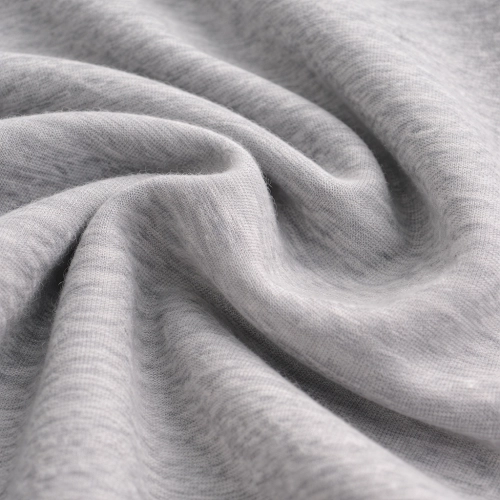
Soft cotton-feel 32N polyester fabric is a widely used textile that blends the performance benefits of polyester with the tactile comfort typically associated with cotton. Its versatility has made it a staple in apparel, home textiles, and industrial applications.
What Is Soft Cotton-Feel 32N Polyester Fabric?
Soft cotton-feel polyester refers to polyester fabric engineered to emulate the softness, surface texture, and drape of cotton while retaining polyester’s inherent advantages — strength, dimensional stability, and moisture management.
The term “32N” generally refers to the yarn count of polyester fibers used in the fabric — specifically a 32-Ne (Ne = Number English) count.
In English cotton count systems:
- 32 Ne implies a fine yarn (32 hanks of 840 yards per pound of yarn).
- A higher Ne number means finer yarn, so 32N is considered medium-fine for polyester knits and woven fabrics meant to feel soft and lightweight, yet durable.
This fabric is not a cotton-polyester blend, but rather 100% polyester engineered (through fiber selection and textile chemistry) to feel like cotton.
Composition and Fiber Structure
Fiber Chemistry
Polyester is a synthetic polymer derived from petroleum, typically polyethylene terephthalate (PET).
Its molecular structure consists of:
- Strong ester linkages.
- Semi-crystalline regions that contribute to strength and elasticity.
- Hydrophobic polymer chains that resist water absorption.
The cotton-like softness is achieved primarily through:
- Microfiber or low-denier filament yarns — very fine polyester fibers that reduce surface roughness.
- Surface modification treatments (see section 4).
- Brushed or sueded finishes that increase surface pliability.
Yarn Count – Understanding “32N”
What is Yarn Count?
Yarn count expresses the fineness of yarn:
- Higher count (Ne) = finer yarn.
- Lower count (Ne) = coarser yarn.
In cotton count terms:
- 32N polyester yarn = 32 hanks of 840 yards per pound.
- It balances soft hand, drape, and strength.
For polyester, 32N is considered a practical choice for everyday wear fabrics — soft, lightweight enough for comfort, yet strong enough for repeated use and washing.
Textile Engineering and Finishing Techniques
To achieve the soft cotton feel, polyester fabrics undergo specialized treatments beyond simple weaving/knitting:
Surface Finishes
- Sueding/Peaching – Mechanical brushing raises micro-nap fibers, enhancing softness.
- Calendering – High-pressure rollers smooth and compress the fabric surface.
- Silicone/Softener Treatments – Chemical finishes that lubricate and soften fiber surfaces.
Cross-Section Design
- Modified polyester fibers may have irregular cross-sections to scatter light differently, imparting a more cotton-like matte look.
- Hollow or tri-component designs can enhance breathability and tactile softness.
Physical Properties
Hand and Texture
- Soft, plush surface mimicking brushed cotton.
- Reduced slickness typical of untreated polyester.
- Slight nap or fuzzy feel depending on finishing.
Drape and Weight
- Medium drape, suitable for both apparel and soft home textiles.
- Lightweight to midweight fabrics depending on knit/woven structure.
Strength and Durability
- Exceptionally high tensile strength compared to natural fibers.
- Excellent abrasion resistance.
- Low tendency to pill when high-quality finishes are applied.
Moisture & Thermal Performance
Moisture Behavior
- Polyester is hydrophobic — does not absorb moisture like cotton.
- Moisture wicks along the surface and evaporates, which can keep the wearer dry.
- Some versions incorporate moisture-management finishes.
Thermal Properties
- Polyester retains heat; however, fabric structure (open weave/knit) and finishing can moderate this.
- Not as breathable as cotton by nature, but engineered cotton-feel versions narrow the gap with enhanced airflow.
Dyeing, Printing, and Colorfastness
Dyeing
- Polyester requires disperse dyes because of its hydrophobicity.
- High dye affinity after heat transfer or high-temperature dyeing ensures vibrant, lasting colors.
Print Compatibility
Compatible with:
- Sublimation printing — excellent for polyester with polyester content ≥ 80-100%.
- Screen printing with appropriate binders.
- Digital textile printing with disperse inks.
Colorfastness
- Excellent resistance to washing, rubbing, and sunlight when processed correctly.
Advantages Over Traditional Cotton
| Feature |
Cotton |
Soft Cotton-Feel 32N Polyester |
| Moisture Absorption |
High |
Low |
| Drying Time |
Slow |
Fast |
| Wrinkle Resistance |
Low |
High |
| Strength |
Moderate |
High |
| Durability |
Medium |
Very High |
| Shrinkage |
Moderate |
Minimal |
| Colorfastness |
Moderate |
High |
| Softness (engineered) |
Naturally high |
Engineered high |
Key takeaway: This polyester offers most comfort features of cotton while significantly boosting performance traits valued in activewear and technical textiles.
Common Fabric Constructions
Knitted Versions
- Single Jersey: light, stretchy, soft — ideal for T-shirts, loungewear.
- Interlock Knit: smoother, more stable — used in polos, sportswear.
- Rib Knit: high elasticity — cuffs, collars, body-huggers.
Woven Versions
Twill / Plain Weave: for lightweight shirts, casual pants, light jackets.
Fabric choice affects:
- Hand feel
- Stretch & recovery
- Breathability
Typical Applications
Apparel
- Activewear & Performance Wear: shirts, leggings, shorts.
- Casual Knitwear: tees, dresses, loungewear.
- Children’s Wear: soft touch with easy care.
- Undergarments: where softness and durability matter.
Home Textiles
- Sheets & Pillowcases
- Lightweight Blankets
- Decorative Cushions
Here, cotton feel enhances comfort while polyester adds longevity.
Technical Uses
- Uniforms
- Sports Team Apparel
- Corporate Wear
- Reusable Bags
Care, Maintenance, and Longevity
Care Instructions
- Machine wash cold or warm (avoid high heat).
- Tumble dry low or air dry.
- Use gentle cycle to prolong finish life.
Performance Over Time
- Retains shape and color longer than cotton.
- Less prone to shrinkage and wrinkles.
- Finished fabrics retain softness cycle after cycle when cared for properly.
Environmental and Sustainability Considerations
Polyester Concerns
- Traditionally derived from petrochemicals.
- Microplastic shedding during washing.
Sustainable Variants
- Recycled polyester (rPET): reduces reliance on virgin resources.
- Closed-loop manufacturing minimizing chemical impact.
- Biobased polyester from renewable sources under development.
Proper end-of-life recycling and responsible manufacturing can mitigate environmental footprint.